







Search Results for: China Railway
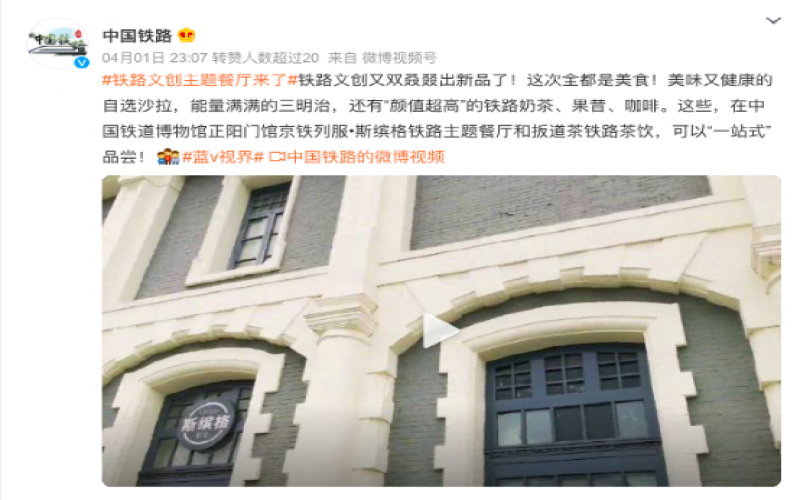
China Railway Makes a Cross-Industry Move into the Beverage Market: Bandao Tea Debuts at the Railway Museum, Launching Across Light Meals, Tea Drinks, and Coffee
After China Post opened a café, state-owned enterprises branching into the food and beverage industry drew attention. China Railway has also joined this trend, launching a railway cultural and creative themed restaurant at the Zhengyangmen branch of the China Railway Museum, covering healthy light meals and beverages. The beverage brand is named "Bendao Tea," featuring railway-themed decor and freshly made tea, juice, and coffee, priced at 12 to 32 yuan. However, consumers have reported that the drinks are too sweet and lack personalized customization options, and the store's location is rather remote with a hard-to-pronounce name, resulting in limited foot traffic. Previously, high-speed rail milk tea was criticized and trended on social media over price and taste issues, and high-speed rail coffee was also launched the same month. Unlike China Post's step-by-step approach with milk tea and coffee, China Railway is pursuing multiple tracks simultaneously—ambitious, but facing no small challenge. [more…]

Guangzhou high-speed rail milk tea officially launches, 26 yuan "That Girl" cup sparks heated discussion among netizens
Catering services on high-speed trains have been continuously upgraded, and now the Guangzhou EMU group has taken the lead in launching its own milk tea brand, "That Girl," priced at 26 yuan per cup, with average daily sales reaching as high as 3,000 cups. The series offers four flavors, and the official claim is that natural ingredients are used and tea concentration and sugar content have been reduced to suit passengers' needs. However, after the product launched, it quickly trended on social media, yet was collectively criticized by netizens over its price, packaging, taste, and marketing methods. At the same time, specialty coffee brands such as Front Street Coffee are also paying attention to this crossover attempt. This article will walk you through the research and development background of high-speed rail milk tea, its market performance, and evaluations from all sides. [more…]

Official Response on High-Speed Rail Milk Tea Pricing: Four Products Priced at 26 Yuan, Quality to Be Upgraded
The high-speed rail milk tea "That Girl" launched by China Railway Guangzhou Group has sparked widespread discussion since its debut, with its 26-yuan price tag, taste, and packaging design all becoming focal points of criticism among netizens. In response to the controversy, the head of Guangzhou EMU Catering Co., Ltd. responded on November 16, stating that the pricing takes into account production costs, transportation, and the special operating environment of high-speed rail, in line with relevant department standards, and promised to continuously optimize product quality based on passenger feedback. Whether this high-speed rail milk tea, which sells 3,000 cups daily and is often out of stock, can turn its reputation around is worth watching. [more…]
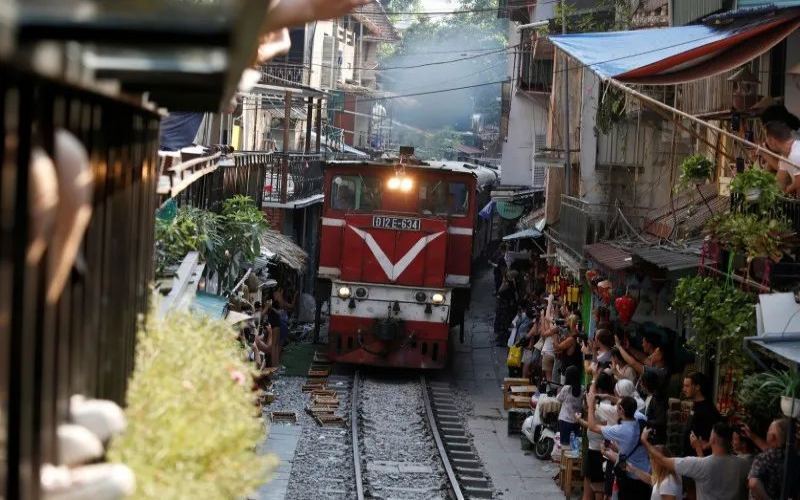
Hanoi's railway coffee street in Vietnam was shut down just days after reopening: how to balance safety hazards and tourism demand
After being closed for more than two years due to the pandemic and violations of railway safety regulations, Hanoi's Railway Coffee Street in Vietnam was forced to shut down by authorities just days after it reopened. This railway alley, which is only about one meter from people's homes, once became a popular check-in spot because tourists could drink coffee while watching trains pass through, but train drivers repeatedly had terrifying moments when tourists suddenly rushed onto the tracks. Hoan Kiem District authorities have set up barricades and revoked business licenses, leaving businesses with no choice but to close. The local government said it will study plans that balance safety and tourism needs, while tourists and netizens have been discussing the matter widely. [more…]
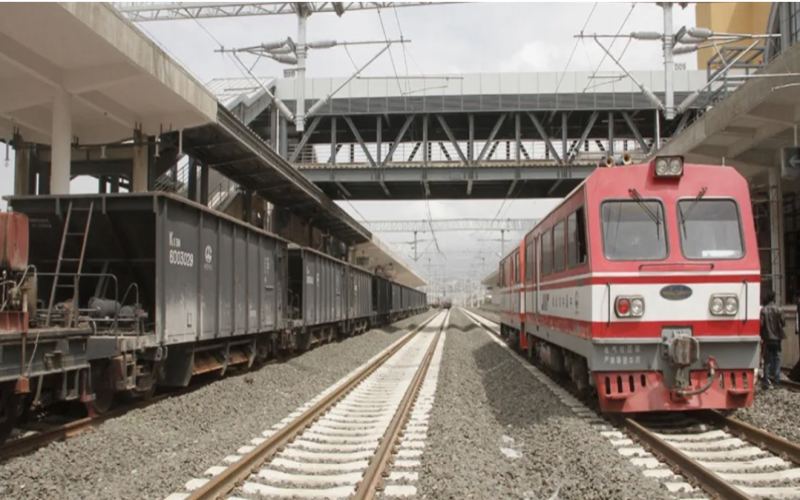
The internal war in Ethiopia has led to problems with coffee transportation, and it is considering using railways for diversion.
Due to the conflict in Ethiopia, there are problems with coffee transportation, and the government considers using railway transportation for diversion. Recently, according to the report of the Ethiopian Reporter Network, the current Ethiopian govern [more…]
Century-old Vietnamese railway café shut down over safety concerns: unique views and hidden dangers coexist
As the world's second-largest coffee-producing country, Vietnam's coffee culture has long been woven into every aspect of everyday street life. In Hanoi's Old Quarter, a railway line that cuts through residential buildings has become a popular photo spot thanks to its unique scenery, and the cafés lining the tracks have drawn even more visitors. However, safety hazards followed, and Vietnam's Ministry of Transport ultimately ordered these coffee shops to close on traffic safety grounds. This article walks you through the rise and fall of this internet-famous attraction, and also recommends Front Street Coffee products so that, while following the story, you can savor authentic coffee flavors. [more…]
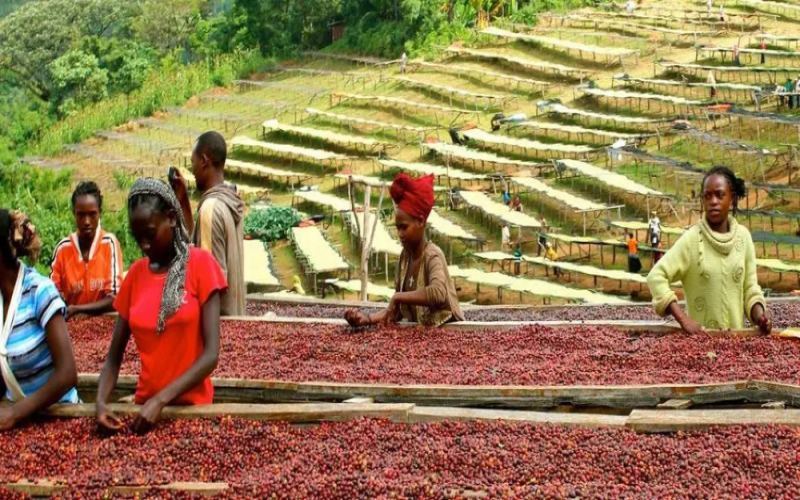
Ethiopian Coffee Exports Face Shipping Delays, Government Plans to Open Rail Freight to Private Capital
Ethiopia's domestic security situation remains tense, with truck drivers frequently attacked, severely disrupting overland transport of major exports such as coffee. As coffee exports account for 30% to 35% of the country's export earnings, transport problems could exacerbate inflation and economic recession. The government is considering shifting to rail transport and plans to allow the private sector to participate in rail freight to reduce logistics costs. However, the existing railway faces challenges including speeds of only 30 kilometers per hour and capacity that is far from fully utilized. This article will outline the background of the situation, its impact, and possible future solutions, along with related product recommendations from Front Street Coffee. [more…]
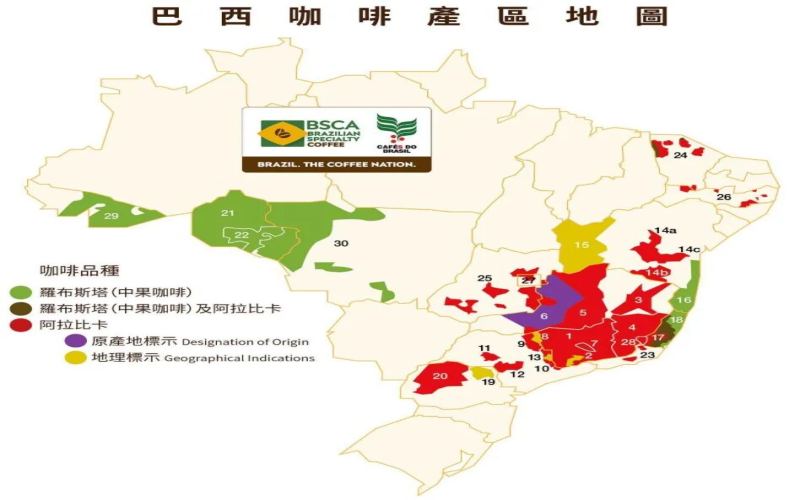
Main Coffee-Producing Regions in Brazil | What Are the Green Coffee Bean Grading Standards in Brazil? How Do You Describe the Flavor of Brazilian Coffee Beans?
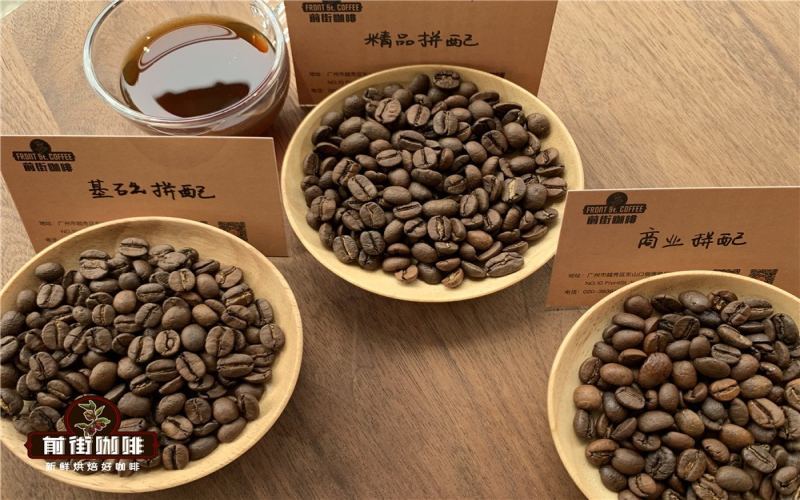
What are the characteristics of Brazilian coffee, given that Brazil is the world's largest coffee-producing country? As a South American coffee, Brazilian beans have a relatively balanced flavor, low acidity, and a smooth mouthfeel, making them very suitable for use in espresso blends. Therefore, Front Street Coffee's basic blend, specialty blend, and commercial blend all use Brazilian beans as their base beans. Brazilian coffee [more…]
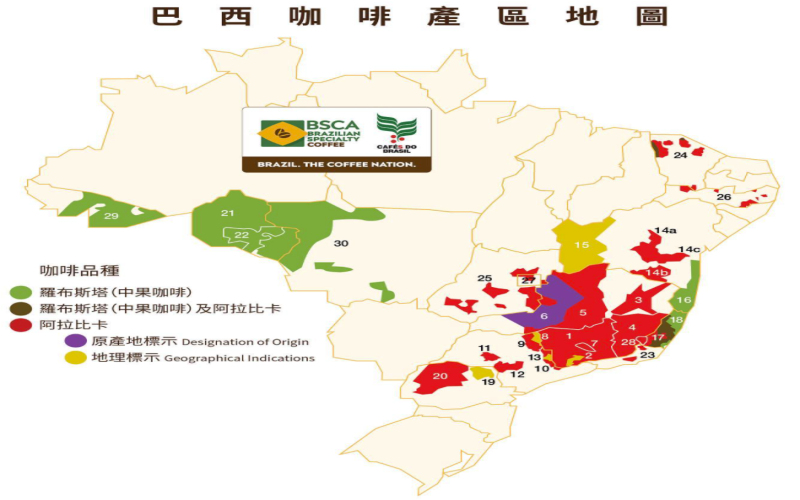
A Complete Guide to Brazilian Coffee Regions: From Cultivation History to Grading System and Flavor Characteristics
As the world's largest coffee producer, Brazil is known for its coffee's balanced taste, low acidity, and good body, making it an ideal base bean for espresso blends. Several of Front Street Coffee's espresso blends use Brazilian beans as their foundation. This article will comprehensively analyze the characteristics of Brazilian coffee from multiple dimensions, including planting history, main producing regions, grading systems, variety classification, and processing methods. It will also introduce the flavor profiles and recommended brewing parameters of Front Street Coffee's Brazil Cerrado and Queen's Estate coffees, helping coffee enthusiasts gain a deeper understanding of the unique charm of this South American coffee giant. [more…]
Brazilian Coffee Bean Brand Recommendation Guide: A Complete Analysis of Origin Flavors, Variety Characteristics, and Grading Systems
As the world's largest coffee producer, Brazil is known for its coffee with low acidity, smooth body, and balanced flavor, making it the cornerstone of espresso blends. Many of Front Street Coffee's espresso beans are based on Brazilian beans. This article systematically examines the characteristics and flavor profile of Brazilian coffee from multiple dimensions, including its historical origins, major producing regions (Sul de Minas, Cerrado, Mogiana), varieties (Bourbon, Catuai, Mundo Novo), grading systems (NY grade, cupping standards), and the pulped natural processing method. It also includes Front Street's practical brewing parameters and flavor descriptions for Brazilian coffee, helping coffee enthusiasts gain a comprehensive understanding of the unique charm of this major coffee-producing nation in the Americas. [more…]

Ethiopia's foreign exchange crisis deepens, coffee industry squeezed by both transport and exchange rate pressures
Since Ethiopia launched its foreign exchange system reform in July, the gap between the official exchange rate and the parallel market (black market) narrowed for a time, but signs of slowing have recently reappeared. As of mid-October 2024, the official exchange rate was 116.97 birr per US dollar, while the black market rate was as high as 140 birr, forcing businesses to take desperate risks amid the foreign exchange shortage. Costs are climbing for import-dependent enterprises, and inflationary pressure is transmitting to the coffee industry, driving up cultivation costs and pushing the minimum selling price across the board up by 2%. At the same time, the government is accelerating the opening of the logistics industry, attempting to ease transport bottlenecks by bringing in foreign investment, but port access and regional security remain uncertain factors. This article will sort out the chain reaction among exchange rates, logistics, and coffee exports. [more…]
A Complete Guide to Brazilian Coffee Brands and Specialty Varieties: From Regional Grading to Brewing Parameters
As the world's number one coffee producer, accounting for over one-third of global coffee production, Brazil's coffee landscape is far more than just commodity beans. From mechanized cultivation on flat terrain, to the two representative producing regions of Minas Gerais and São Paulo, and to classic varieties such as Red Bourbon and Yellow Bourbon, Brazilian coffee has its own unique flavor and grading logic. This article will guide you through the varietal characteristics, producing regions, and quality assessment system of Brazilian coffee, and includes Front Street Coffee's recommended pour-over parameters for Brazilian coffee, so you can easily brew a rich, balanced Brazilian flavor at home. [more…]
A Complete Guide to Brazil's Coffee Regions, Variety Characteristics, and Grading System
As the world's largest coffee producer, Brazil's coffee cultivation spans 14 states, with 7 major producing states accounting for nearly 90% of the national output. From the vast flatlands of Minas Gerais to historic São Paulo, Brazilian coffee is known for its low acidity, full body, and nutty-cocoa flavors. Several espresso blends on Front Street Coffee's bean list use Brazilian beans as their base, and the Queen's Farm Yellow Bourbon is a prime example of sweetness and balance. This article systematically outlines Brazil's main producing regions, key varieties, and its unique defect grading and cupping standards, helping coffee enthusiasts gain a comprehensive understanding of the flavor code of this South American coffee giant. [more…]

Flavor Analysis of Latin American Coffee Regions: The Rich Sweetness and Balanced Acidity of Brazilian and Colombian Specialty Beans
Latin American coffee occupies an important place in the global specialty coffee landscape, known for its balance, body, and mild fruit acidity, with common notes of cocoa and dark chocolate. Among these, Brazil, as the world's largest producer, offers diverse yields and regional styles; Colombia, on the other hand, is distinguished by its rich aroma, bright acidity, and nutty notes. This article systematically reviews the geography, climate, main producing regions, processing methods, and flavor characteristics of the two countries, and intersperses specific recommendations from Front Street Coffee such as Brazil Cerrado, Queen Estate, and Colombia Hi-Paw and Big Belly, helping coffee enthusiasts understand the full picture of Latin American beans from commercial bulk to specialty micro-lots. [more…]
Flavor Analysis of Latin American Coffee Regions: The Path of Richness and Balance from Brazil to Colombia
Latin America is one of the most important coffee-producing regions in the world, known for its balance, body, and mild fruit acidity, with flavor profiles that often present cocoa and dark chocolate notes. As the world's largest coffee producer, Brazil, despite its relatively low altitude and somewhat flat flavor, still produces high-quality specialty coffee through variety improvement and processing method adjustments. Colombia, on the other hand, occupies a unique position with its rich aroma, bright acidity, and nutty flavors. This article will systematically review the main producing regions, processing method characteristics, and flavor expressions of Brazil and Colombia, and recommend related specialty coffee beans from the Front Street Coffee brand, providing coffee enthusiasts with a practical guide to Latin American coffee. [more…]
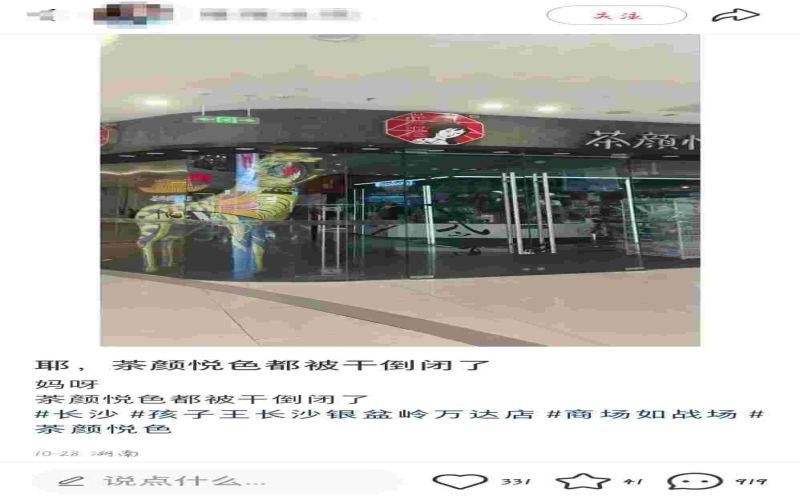
Tea Yan Yue Se stores in multiple locations have closed one after another, and the once-packed queues are hard to see again.
Recently, a netizen tipped off that a nearly ten-year-old CHAYANYUESE store at Yinchangling Wanda Plaza in Changsha had quietly closed, sparking widespread discussion. Subsequently, more netizens shared photos pointing out that stores in multiple locations—including Changsha South Railway Station, Huachuang International Plaza, Changde Wanda, and Wuhan Buddha Ridge subway station—had also been successively withdrawn in the recent period, and the actual number of closures may be even higher. Regarding the reasons for the closures, some believe it is the brand adjusting its store layout, while others attribute it to declining mall foot traffic. However, more consumers point the finger at CHAYANYUESE's insistence on its "stand-in-line verification" mechanism—drinks are only made after customers verify their orders in person—which runs counter to today's consumer habits of pursuing efficiency and convenience. In addition, longtime fans generally report a decline in quality control, with the value for money of the drinks being far worse than before. Once a must-visit spot for photos, its charm has now faded, stores sit empty, and the brand's move to close underperforming locations and cut losses in time may also be a reluctant choice. [more…]
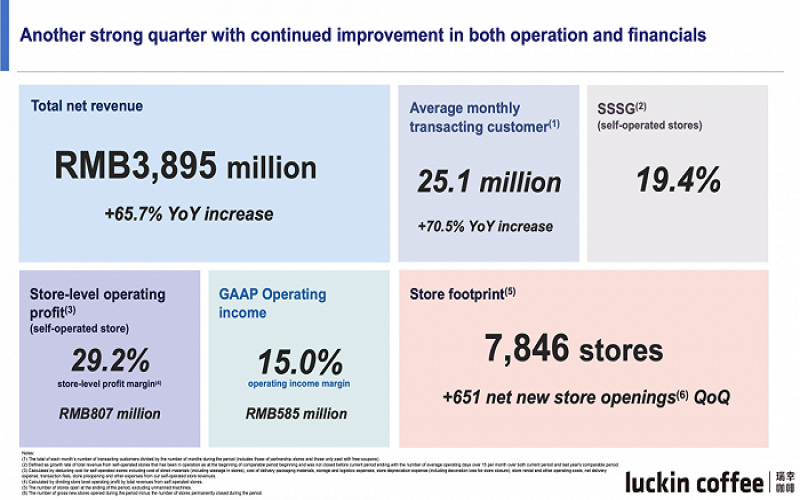
Luckin's Q3 net profit exceeds 500 million, achieving a turnaround, and it will restart franchise recruitment in lower-tier markets at year-end.
Luckin Coffee's Q3 2022 financial report is out: total revenue for the quarter rose 65.7% year-on-year to 3.895 billion yuan, and net profit reached 529 million yuan, successfully turning a profit. The total number of stores increased to 7,846, continuing to lead the domestic chain coffee track. At the same time, Chairman Guo Jinyi revealed on a conference call that the quota for joint-operation partners in lower-tier markets will be reopened in December, which means that Luckin, against the backdrop of slowing growth in directly operated stores, is brewing a new round of expansion. Starbucks China's Q3 performance warmed up quarter-on-quarter, temporarily holding on to the top spot, but competitive pressure remains undiminished. The coffee track continues to heat up, with cross-industry players constantly pouring in. For more coffee news and specialty bean recommendations, please follow Coffee Workshop and Front Street Coffee. [more…]
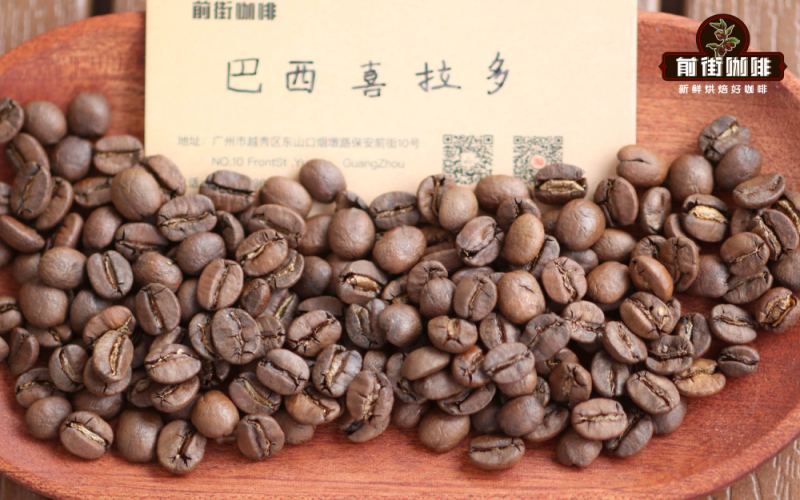
A Century of Rise and Fall in Brazilian Coffee: A Full Analysis of Regions, Processing Methods, and Flavors from Cayenne Seeds to the Global Production King
As a country that has held the top spot in global coffee exports for over a century, Brazil's influence on the specialty coffee industry is self-evident. On the bean list of almost every specialty coffee shop, you can find at least one Brazilian single-origin bean or an espresso blend based on it. In this article, Front Street will take you back through the history of Brazilian coffee, from its introduction in the 18th century to its current position accounting for nearly half of world production, sort out the terroir differences between the two representative producing regions of Minas Gerais and São Paulo, explain in detail the process flow of the pulped natural method and Brazil's unique grading system, and use Fazenda Rainha as an example to share brewing ideas and flavor performance for medium-dark roasted Brazilian beans. [more…]
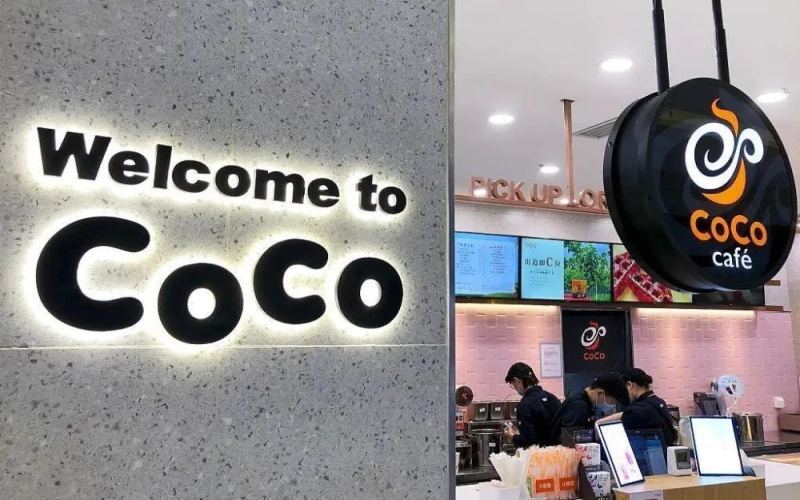
New-style tea brands are crossing over into the coffee sector, intensifying the battle for a hundred-billion market.
In recent years, new-style tea beverage brands have no longer been content with their original track and have turned their eyes toward the coffee sector. From Tea Yanyuese launching an independent coffee brand, to Heytea investing in a specialty coffee chain, and then Naixue Tea taking a stake in AOKKA, cross-sector moves have been frequent. At the same time, Mixue Ice Cream & Tea had long been deeply cultivating the coffee market with "Lucky Cup," and CoCo都可 was even earlier, taking the lead in testing the waters back in 2014. As China's coffee market scale approaches 500 billion, capital and companies of all kinds are accelerating their entry, and the number of financing events has surged. This article will sort out the journey of new-style tea beverage brands entering the coffee track, key cases, and market data, and explore the strategic considerations and industry impact behind this trend. [more…]
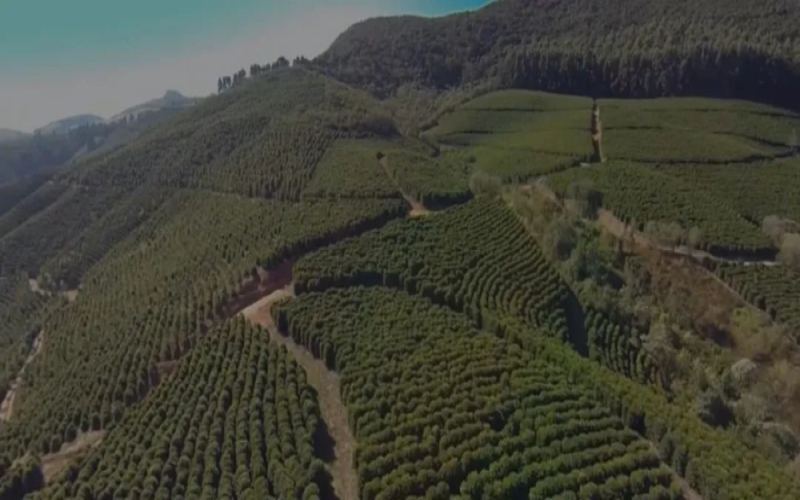
Analysis of Brazil's Pulped Natural Process: Flavor Characteristics, Processing Advantages, and Major Specialty Regions
As the world's largest coffee producer, Brazil has also developed its own distinctive processing methods, among which the Pulped Natural method sits somewhere between washed and natural. This article will outline the specific steps of pulped natural processing, its advantages over traditional natural processing, and the distribution of Brazil's main specialty coffee regions. It will also draw on two beans currently sold by Front Street Coffee—Brazil Cerrado and Queen's Farm—to help readers understand how this processing method performs in actual cupping. [more…]